
Restores thermal performance
Compressed batts have a much lower R-value than their label. Removing them lets new insulation achieve its full thermal resistance, cutting winter heat loss through the ceiling.
Tottenham
Old, compressed or damaged insulation in your Tottenham home reduces efficiency and can harbour dust, moisture or pests. We safely remove it so new insulation can perform at its rated R-value.
Share your details and Expert Insulation Melbourne will contact you about Insulation Removal in Tottenham.
Insulation removal is needed when batts are wet, mouldy, rodent-damaged or have compressed over decades to a fraction of their original thickness. In Tottenham’s older brick veneer and weatherboard homes, the roof space often holds degraded glasswool or rockwool that no longer traps air effectively. Clearing it out stops heat loss through the ceiling and prepares the space for fresh bulk insulation.
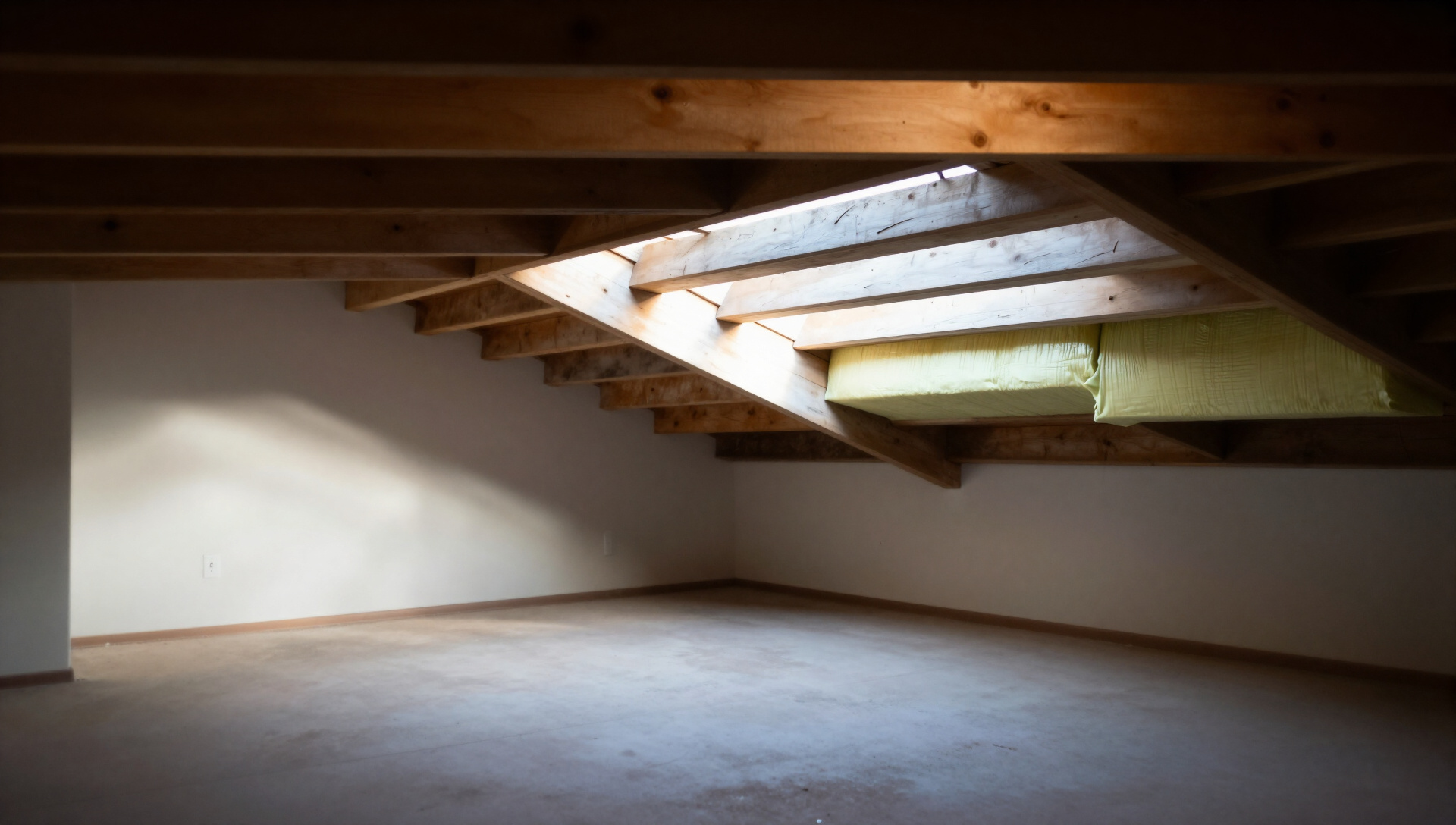
Tottenham’s mix of interwar and postwar homes often have roof spaces filled with old insulation that has long since lost its thermal resistance. Removing it improves comfort, air quality and the effectiveness of any new product you install.
Compressed batts have a much lower R-value than their label. Removing them lets new insulation achieve its full thermal resistance, cutting winter heat loss through the ceiling.
Decades of ceiling dust and rodent debris accumulate in old insulation. Extraction improves air quality and removes a source of allergens circulating through gaps in the ceiling.
Wet or mouldy batts hold moisture against timber joists and rafters. Removing them stops condensation damage and the musty odours that can enter living spaces.
Clearing the roof space allows proper installation of modern bulk insulation with the R-value your Tottenham home needs for Melbourne’s cold winters and hot summers.
Rodents and insects nest in old, degraded batts. Removal eliminates their habitat and reduces the risk of damage to wiring and timber in the roof space.
Once old insulation is out, we can vacuum accumulated dust from the roof space so new batts are not contaminated from day one.
We follow a safe, methodical process to extract old insulation without spreading dust or debris through your home. Access, containment and disposal are all handled on site.
We check the condition of existing batts, look for signs of moisture, mould or pests, and confirm access via the manhole. If asbestos is suspected, work stops until a qualified assessor inspects the material.
Plastic sheeting is laid to contain dust and debris. We wear P2 respirators and gloves, and seal the manhole to prevent particles entering the house during removal.
Old batts are carefully pulled from between ceiling joists and placed into heavy-duty bags. Loose material and dust are vacuumed with industrial equipment to leave the space clean.
All removed material is taken from your Tottenham property for disposal. We leave the roof space clear and ready for new insulation or ceiling dust removal if required.
Tottenham’s brick veneer and weatherboard homes often date back to the interwar and postwar eras, with roof spaces that have held the same insulation for 30 to 50 years. Over that time, batts compress under their own weight, absorb moisture from condensation, or become a nest for rodents. Removing this degraded material is the first step to improving thermal comfort and reducing heating costs in Melbourne’s climate.
Safe extraction of old, damaged or compressed insulation from Tottenham roof spaces.
Homeowners in Tottenham often ask how removal works, what it costs and whether it is necessary before upgrading. Here are the key details.
Tottenham homes with old or damaged ceiling insulation lose heat faster in winter and gain heat faster in summer. Removing degraded batts and replacing them with fresh bulk insulation at the correct R-value restores thermal resistance and reduces energy costs. In Melbourne’s climate, ceilings commonly use R4.0 to R6.0 batts, and removal is the first step to achieving that performance.
Signs your Tottenham home needs insulation removal include visible compression of batts between joists, musty odours from the roof space, evidence of rodent activity, or water staining on ceiling plaster. If the existing material is wet, mouldy or falling apart, it will not provide the rated thermal resistance and should be cleared before new insulation is installed.
The removal process in Tottenham typically takes half a day to a full day depending on roof space size, access and the amount of material to extract. Costs vary with the area to be cleared, the type of insulation, whether it is bagged or loose, and if ceiling dust removal is also required. We provide a clear quote after inspecting your roof space.
If your Tottenham home has degraded ceiling insulation, we can safely extract it and prepare your roof space for an upgrade. Call us to inspect and quote.